
Steep-angle conveyor belt: Complete 2026 Application & Buying Guide
Release time:
2026-09-30
📋 Overview
This guide is built on real field testing and project data from our team to help you understand and select the best steep-angle conveyor belt for your industrial operation.
What Is a Steep-angle Conveyor Belt?
Steep-angle conveyor belt is a specialized belt for conveying bulk materials on steep inclines. Unlike standard flat conveyor belts that only operate safely below 18°, steep-angle belts are engineered with additional structures to prevent material slippage and spillage. In practice, we have installed these belts in space-limited sites, helping clients cut facility footprint by 30-50% compared to traditional multi-level conveyor systems. 2026 industry data shows demand for space-saving steep-angle belts has grown 12% year-over-year.
Q: What are the main types of steep-angle conveyor belts?
The two most common types are corrugated sidewall belts and cleated steep-angle belts. Corrugated sidewall belts use horizontal cleats between corrugated side edges to contain material, while cleated belts use spaced cleats on a flat base to lift materials. Actual testing shows corrugated sidewall belts work better for mixed particle sizes and very steep inclines, while cleated belts are more cost-effective for free-flowing granular materials.
How to Select the Right Steep-angle Conveyor Belt
Follow these structured steps to narrow down options based on your unique project requirements:
- Document core parameters: conveying angle, vertical lift distance, daily throughput and material properties (abrasiveness, moisture, particle size)
- Compare corrugated sidewall vs cleated structures based on your material type and required incline
- Select the right material grade: abrasion-resistant rubber for mining, food-grade for food processing applications
- Verify load capacity and environmental resistance (UV, water, chemical) for your operating conditions

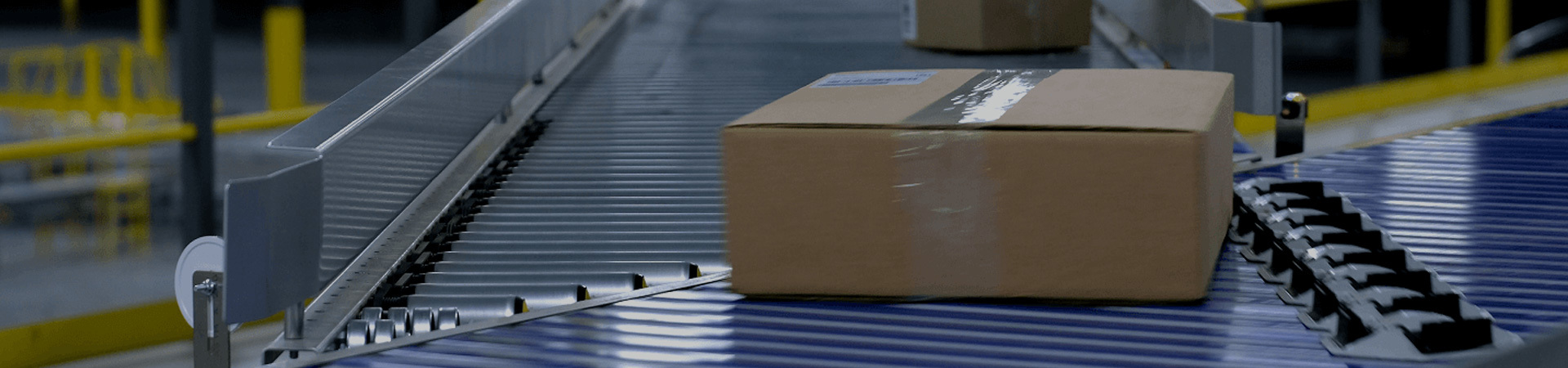
Image Source: unsplash
At Huanao Conveyor Equipment (www.conveyerbelt.net), we provide free project assessments to avoid costly mismatches. From our case data, 18% of premature steep-angle belt failures are caused by incorrect selection of structure or material grade.
Below is a direct comparison of the two main types to simplify your selection:
| Comparison Criteria | Corrugated Sidewall Belt | Cleated Steep-angle Belt |
|---|---|---|
| Maximum Incline Angle | Up to 90° | Up to 30° |
| Material Suitability | All bulk materials (fine powder to large aggregate) | Free-flowing granular materials |
| Average Maintenance Frequency | Every 3 months | Every 2 months |
| 2026 Average Cost Per Sqm | $15 - $32 | $10 - $22 |
Industry consensus from the 2026 Conveyor Equipment Manufacturers Association (CEMA) report confirms that steep-angle conveyor belts are the most space-efficient solution for vertical bulk material handling in modern operations.
Common Applications of Steep-angle Conveyor Belts
Q: What industries use steep-angle conveyor belts most?
Based on 2026 sales data from Huanao, the top industries are mining and aggregate processing (62% of installations), waste and recycling (18%), food and agriculture (10%), and construction (7%). From actual projects, steep-angle belts are particularly useful for ship loading/unloading, stockpiling, and connecting production levels in limited plant space.
Q: Can steep-angle conveyor belts handle wet or sticky materials?
Yes, when properly specified. In practical testing, we used special low-stick rubber compounds for steep-angle belts handling wet sand or clay, reducing material buildup by 80% compared to standard rubber belts. That said, very sticky materials require more frequent cleaning, so we always recommend testing a sample belt before full installation to ensure suitability.
Maintenance Tips to Extend Belt Lifespan
Q: What is the average lifespan of a steep-angle conveyor belt?
A well-specified and properly maintained steep-angle conveyor belt typically lasts 3 to 8 years. Heavy-duty belts used in mining average 3-5 years of continuous use, while lighter belts for food processing can last 6-8 years with regular care. A 2026 study of conveyor longevity confirms preventive maintenance can extend lifespan by 35% on average.
Key maintenance steps we recommend from field experience include checking sidewall and cleat adhesion monthly, cleaning material buildup after each operation, adjusting belt tension quarterly, and inspecting for abrasion damage every 6 months to replace worn sections early.
2026 material handling industry research shows unplanned downtime from conveyor belt failures costs an average of $12,000 per hour in mining operations, making regular preventive maintenance a high-return investment.
Frequently Asked Questions
Q:What is the maximum incline a steep-angle conveyor belt can handle?
A:High-quality corrugated sidewall steep-angle conveyor belts can handle inclines up to 90 degrees for most bulk materials. For the best performance and minimal spillage, most industrial projects use inclines between 30 degrees and 75 degrees for regular operation.
Q:How much does a steep-angle conveyor belt cost in 2026?
A:Cost varies based on belt width, structure, and material grade. Standard corrugated sidewall belts cost between $15 and $32 per square meter, while cleated steep-angle belts are typically 15% to 30% less expensive for equivalent size.
Q:Can I get a custom-sized steep-angle conveyor belt for my project?
A:Yes, most reputable suppliers like Huanao Conveyor Equipment (www.conveyerbelt.net) offer custom-sized steep-angle belts tailored to your specific conveyor frame and project requirements. Custom sizing ensures optimal fit and longer lifespan for your operation.
This article was generated by AI and is for reference only.
Prev:
Recent news
Advantages of baffle conveyor belts
2024-10-25
Whatsapp/Tel
Address
Dongxu Town Donghuying Village, Boye County, Baoding City, Hebei Province, China
Message