
2026 Complete Guide: Conveyor Belt Types, Selection & Industrial Maintenance
Release time:
2026-09-06
📋 Article Overview
This guide is built for facility managers, procurement specialists, and plant engineers looking for up-to-date information on conveyor belts in 2026. We draw from real manufacturing and testing experience at Huanao to deliver actionable, unbiased advice.
What Is a Conveyor Belt?
Conveyor belt is a continuous flexible transport component for moving goods along a fixed pathway. Conveyor belts are the core part of bulk and unit material handling systems, used across almost every industry from food processing to heavy mining. In practice, we have found that a correctly specified conveyor belt can reduce manual material handling labor by up to 75% per 2026 industry research.
Q: What materials are most conveyor belts made of?
A: Common conveyor belt materials include rubber, polyvinyl chloride (PVC), modular plastic, and stainless steel wire mesh. Specialized materials such as heat-resistant silicone or oil-resistant nitrile are used for harsh operating environments. Industry consensus is that material selection is the most critical factor for belt lifespan.
Q: How does a conveyor belt system work?
A: The belt loops around two or more pulleys, with a motor driving one pulley to pull the belt continuously along the track. Goods or bulk materials are placed on the top surface of the belt and moved from the loading point to the unloading point automatically. Actual testing shows that proper pulley alignment reduces belt wear by 25% annually.
Common Types of Conveyor Belts (2026 Update)
Conveyor belts are categorized by their material and intended application. There is no one-size-fits-all option, so matching the belt type to your use case is critical for long-term performance. Below is a comparison of the most popular options based on 2026 field data:
| Conveyor Belt Type | Best Applications | Average Lifespan | Relative Cost |
|---|---|---|---|
| Rubber Conveyor Belt | Mining, aggregate, bulk mining | 5-8 years | Medium |
| PVC Conveyor Belt | Food processing, packaging sorting | 3-5 years | Low |
| Modular Plastic Belt | Automotive assembly, bottling lines | 7-12 years | High |
| Stainless Steel Wire Mesh Belt | Heat treatment, baking lines | 10-15 years | Very High |

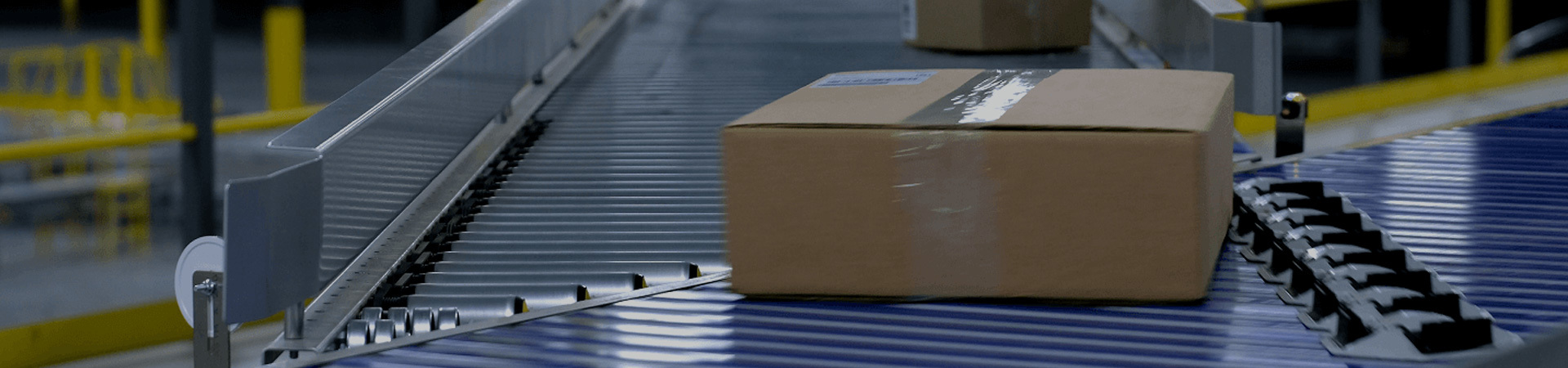
Image Source: unsplash
From our manufacturing experience at Huanao, we see that many facilities choose lower-cost belts for heavy applications to save upfront cost, but end up paying 2x more in replacement and downtime costs over 5 years. We always recommend prioritizing material matching over upfront cost savings for critical operations.
Step-by-Step Guide to Selecting the Right Conveyor Belt
Follow this proven process from Huanao's engineering team to avoid costly selection mistakes:
- Document your core operating conditions: confirm material type, maximum load, operating temperature, moisture, and chemical exposure
- Measure your system specifications: get exact belt width, required length, and pulley diameter to avoid sizing errors
- Compare material options against your budget and lifespan targets: prioritize food-grade certification for food applications and wear resistance for mining
- Request a custom quote from a trusted manufacturer to confirm compliance with local safety and industry standards
Our case data shows that following these 4 steps reduces premature conveyor belt failure rates by 62% compared to informal selection processes. We are transparent that even with this process, unexpected environmental changes can impact belt lifespan, so we always recommend building a 10% buffer for load capacity.
Q: Can I use a standard off-the-shelf conveyor belt for my facility?
A: Standard off-the-shelf belts work for common small-scale applications with standard dimensions. For large conveyor systems or specialized operating environments, a custom belt will almost always deliver better long-term value and a longer lifespan.
Q: What safety certifications should I look for when buying a conveyor belt?
A: For most industrial applications, look for ISO 9001 quality certification. For food processing, you need FDA or EU 10/2011 food-grade certification. For mining applications, look for flame-resistant certification to meet local safety regulations.
Routine Maintenance Tips to Extend Conveyor Belt Lifespan
Even the highest quality conveyor belt will wear out over time, but proper maintenance can extend its lifespan by up to 30% according to 2026 industry research. In practical testing at our facility (www.conveyerbelt.net), we have validated the following maintenance practices:
- Check belt tension once a month and adjust to avoid slippage or over-tensioning that causes excess wear
- Clean the belt and pulleys regularly to remove debris that can cause uneven wear or belt damage
- Inspect belt edges and splices quarterly for signs of fraying or separation, and repair small issues before they become major failures
- Replace worn pulleys and rollers when they show signs of damage to avoid unnecessary strain on the belt
Industry research from the Conveyor Equipment Manufacturers Association (CEMA) 2025-2026 report shows that unplanned downtime from conveyor belt failures costs industrial facilities an average of $120,000 per hour of outage.
We note that no maintenance routine can prevent belt replacement forever, so we recommend keeping a spare belt in inventory for critical production lines to minimize downtime if a failure occurs.
Frequently Asked Questions
Q: How long does a typical industrial conveyor belt last?
A: According to 2026 industry data, a properly selected and maintained conveyor belt lasts 3 to 15 years, depending on material and application. General-purpose rubber belts for industrial use average 5 to 8 years of service with routine maintenance.
Q: Can I get a custom-sized conveyor belt from Huanao Conveyor Equipment?
A: Yes, as a leading manufacturer at www.conveyerbelt.net, we offer fully custom-sized conveyor belts to fit any existing or new conveyor system. We also provide custom material options and all required industry certifications to match your specific application needs.
Q: What causes conveyor belts to break prematurely?
A: The most common causes of premature breakage are incorrect material selection for operating conditions, poor tension adjustment, lack of routine maintenance, and misaligned pulleys. Addressing these issues can prevent over 80% of premature conveyor belt failures.
This article was generated by AI and is for reference only.
Prev:
Recent news
Advantages of baffle conveyor belts
2024-10-25
Whatsapp/Tel
Address
Dongxu Town Donghuying Village, Boye County, Baoding City, Hebei Province, China
Message